The exterior of a home serves as its primary defense against the relentless elements, acting as a protective shield that preserves the structural integrity of the building. Over time, sunlight, moisture, and temperature fluctuations take a heavy toll on even the highest quality finishes. Recognizing when this barrier has reached its limit is essential for any homeowner who wishes to avoid costly repairs and maintain the aesthetic appeal of their property. While many view a fresh coat of paint as a purely cosmetic upgrade, it is fundamentally an act of preservation. Neglecting the outer shell of a residence can lead to deep-seated issues like wood rot, pest infestations, and compromised insulation.
The financial benefits of maintaining a home’s facade are just as significant as the practical ones. Investing in the appearance of a property is one of the most reliable ways to secure its market worth. According to Opendoor, a professional exterior paint job can recoup 100% or more of its cost in added home value. This data highlights that keeping up with maintenance is not just an expense but a strategic move for long-term equity. By paying close attention to the physical state of the siding, trim, and doors, a homeowner can identify the subtle warnings that suggest it is time to seek professional intervention before the damage becomes extensive.
Identifying Visible Surface Cracking
One of the earliest and most common indicators that a home requires attention is the appearance of small cracks or "alligatoring" on the surface of the paint. This occurs when the layers of coating lose their flexibility due to age and constant exposure to ultraviolet rays. As the paint becomes brittle, it can no longer expand and contract with the natural movements of the building materials underneath. These fractures might seem minor at first, but they create pathways for water to seep behind the protective layer. Once moisture finds its way into these gaps, it begins to weaken the bond between the paint and the substrate, leading to more severe failures.
Promptly addressing these cracks is vital because moisture trapped against wood or masonry can cause the material to swell or decay. If a homeowner notices a web-like pattern of lines appearing on the sunny side of their house, it is a clear signal that the current finish has reached the end of its lifespan. Seeking exterior painting services at this stage allows for a relatively straightforward preparation process, involving sanding and priming before the damage reaches the wood itself. Ignoring these signs often results in the paint losing its grip entirely, which necessitates a much more labor-intensive and expensive restoration effort.
Spotting Significant Paint Peeling
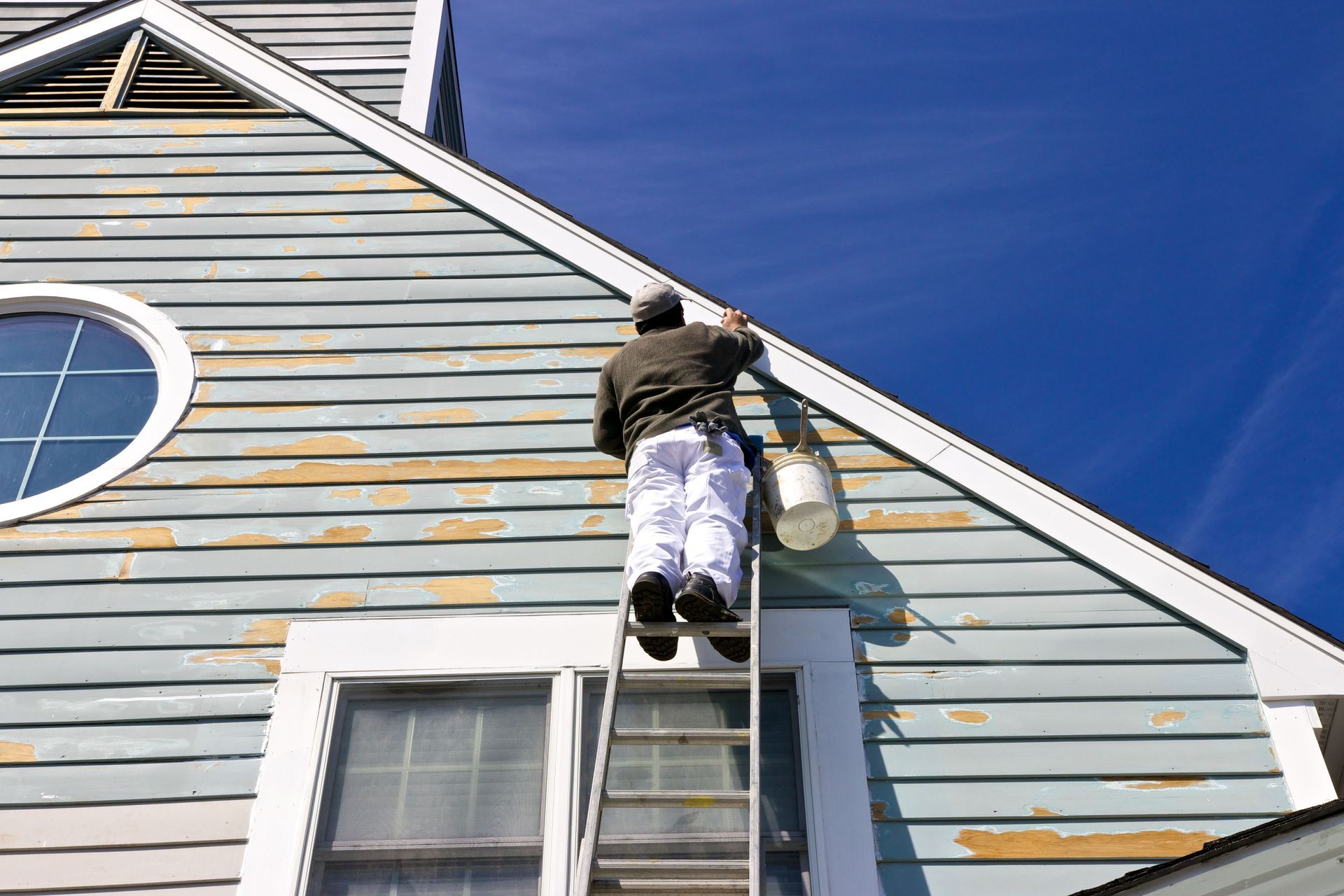
When paint begins to peel or flake away in large strips, the protective barrier has officially failed. This phenomenon, often referred to as delamination, usually suggests that moisture has already compromised the surface or that the previous application was not performed under ideal conditions. Peeling is particularly common in areas near gutters, windowsills, and the base of the home where water splash-back is frequent. Once the bare wood or composite material is exposed to the air, it becomes a magnet for mold and mildew. This exposure accelerates the deterioration of the home's siding, potentially leading to structural softening that a simple coat of paint can no longer fix.
Observation of peeling paint should be treated as an urgent matter. It indicates that the substrate is now vulnerable to the "freeze-thaw" cycle, where water enters the material, freezes, expands, and further tears the paint away. Professional exterior painting services specialize in the extensive scraping and cleaning required to remove these failing layers. By stripping back the dead material and applying modern, high-adhesion primers, experts can seal the surface once more. This intervention is the only way to stop the cycle of decay and ensure that the underlying structure remains dry and sound for the coming years.
Detecting Early Wood Rot
Wood rot is a homeowner’s silent enemy, often hiding just beneath a thin, failing layer of old paint. While the paint might still appear to be intact in some places, a soft or spongy texture when pressed indicates that the fibers of the wood have begun to decompose. This usually happens when water has been trapped against the surface for an extended period, often due to neglected caulking or failing paint seals. Common trouble spots include the ends of window trim, the bottom of door frames, and the decorative molding around the roofline. If the wood feels significantly softer than the surrounding areas, the rot has already taken hold.
Finding Persistent Mildew Stains
The presence of dark streaks or green patches on the exterior of a home is a sign that biological growth is occurring. While some mildew is common on the shaded north side of a building, persistent staining that returns quickly after cleaning suggests that the paint surface has become porous enough to hold onto moisture and organic matter. This growth is not just an eyesore; certain types of mold and algae can actually feed on the minerals in the paint or the sugars in the wood, further accelerating the breakdown of the finish. If the exterior feels slimy or appears "dirty" despite regular cleaning, the protective coating is likely failing.
Professional exterior painting services involve using fungicidal washes to kill these spores at the root before any new paint is applied. Without this deep cleaning, a new coat of paint would simply trap the mold underneath, leading to early failure of the new finish. Modern paints often contain antimicrobial agents that inhibit the growth of these organisms, keeping the home cleaner for longer. Addressing biological growth is essential for maintaining a healthy living environment and preventing the premature aging of the home's facade, ensuring that the structure remains as beautiful as it is healthy.
Maintaining the exterior of a home is a continuous cycle of observation and action. By recognizing the physical signs of wear—from the subtle fading of color to the more alarming discovery of wood rot—homeowners can intervene at the most cost-effective moment. A home is often a person's largest financial asset, and its exterior is the first line of defense in protecting that value. Taking the initiative to refresh the paint and seals every few years ensures that the building remains a safe, dry, and attractive place to live. The peace of mind that comes from a well-maintained exterior is invaluable, providing confidence that the home can withstand whatever the climate demands.
Ultimately, the goal of monitoring these signs is to move from reactive repairs to proactive preservation. A fresh finish does more than just satisfy the neighbors; it reinforces the integrity of the siding, prevents the encroachment of pests, and stabilizes the interior temperature of the residence. When the signs of aging become undeniable, partnering with experts who understand the local climate and material needs is the best way to move forward. Protecting a home today ensures it will continue to provide shelter and value for generations to come.
At LMC Painting & Staining LLC, we are dedicated to preserving the beauty and longevity of your property by providing expert exterior painting services that stand up to the elements and keep your home looking its absolute best.